Protecting Schools is Our Purpose!


Incident Command Systems in Schools

FSDAVCFEBFEVSDDVFSD

FSDAVCFEBFEVSDDVFSD

FSDAVCFEBFEVSDDVFSD
Clear Roles
Clear Leadership When Seconds Matter
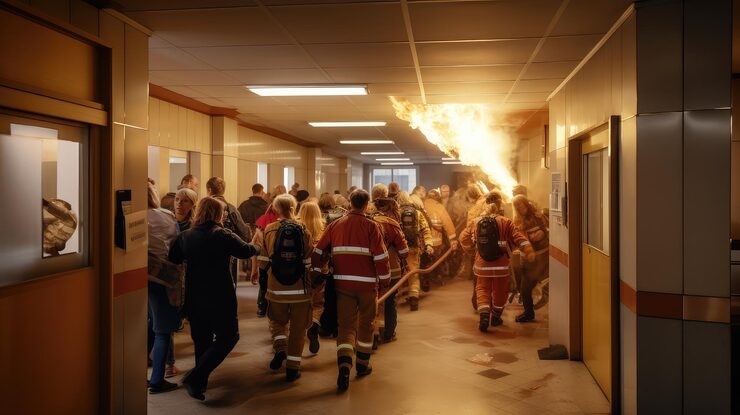
Emergencies often expose leadership uncertainty inside schools. When incidents unfold quickly, multiple adults may attempt to direct response actions at the same time. This overlap creates confusion, slows decisions, and disrupts communication. Even experienced educators struggle when school crisis leadership roles are not clearly defined before an emergency begins.
Without a defined school emergency command structure, staff may hesitate, repeat tasks, or wait for direction that never comes. Mixed messages travel through radios, offices, and hallways, delaying lockdowns, evacuations, or medical response. These delays increase risk and complicate coordination with outside responders during high-stress situations.
The incident command system schools use replaces informal leadership with predictable authority. ICS establishes clear decision-making, communication flow, and accountability. American Priority Project helps districts implement campus incident management frameworks that reduce confusion, accelerate response, and support safer outcomes during critical events.
Understanding ICS Structure in Schools
Incident command education organizes emergency response through clearly defined roles that scale based on incident size. In schools, the Incident Commander is often the principal or designee responsible for overall direction. Operations oversees tactical actions, Planning tracks incident status, Logistics manages resources, and the Liaison coordinates with first responders. These ICS roles in schools ensure a structured approach that aligns responsibilities with staff expertise, improving response efficiency while maintaining order during critical events.
These ICS roles in schools align naturally with daily responsibilities. Assistant principals frequently lead operations, counselors assist with planning and reunification, and facilities teams support logistics. The structure activates only necessary roles, allowing a flexible response without overwhelming staff or disrupting instruction more than required. By leveraging existing staff assignments, schools can implement ICS quickly and maintain consistent leadership during incidents, regardless of size or complexity.
ICS works best when embedded into the emergency operations plan schools already maintain. Role definitions must be written, trained, and practiced to function under stress. When integrated properly, ICS strengthens school emergency response coordination, supports documentation and accountability, and enhances overall school safety compliance, ensuring that students, staff, and the community remain protected.
Assigning Staff to Command Roles
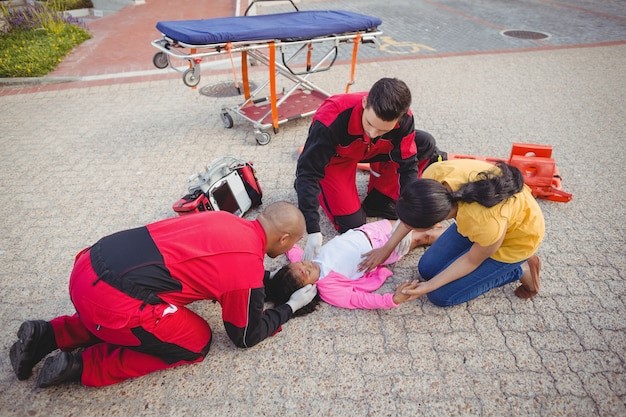
Assigning school staff to ICS roles requires more than matching job titles. Administrators should consider authority, availability, and practical campus knowledge. The Incident Commander must have clear decision-making authority and the confidence to act without delay during evolving situations, ensuring effective emergency response.
Backup assignments are essential for continuity. Absences, off-campus activities, or after-hours events can remove primary leaders. Each ICS role should have trained alternates to prevent leadership gaps and maintain consistent command throughout an incident. This ensures that school staff can respond effectively even when key personnel are unavailable.
Role cards, quick-reference sheets, and command binders support decisive action. Posting assignments reinforces expectations and reduces hesitation, allowing staff to implement procedures efficiently. With these tools, school incident management remains consistent across shifts and scenarios, strengthening coordination, accountability, and overall campus safety.
Assigning school staff to ICS roles requires more than matching job titles. Administrators should consider authority, availability, and practical campus knowledge. The Incident Commander must have clear decision-making authority and the confidence to act without delay during evolving situations, ensuring effective emergency response.
Backup assignments are essential for continuity. Absences, off-campus activities, or after-hours events can remove primary leaders. Each ICS role should have trained alternates to prevent leadership gaps and maintain consistent command throughout an incident. This ensures that school staff can respond effectively even when key personnel are unavailable.
Role cards, quick-reference sheets, and command binders support decisive action. Posting assignments reinforces expectations and reduces hesitation, allowing staff to implement procedures efficiently. With these tools, school incident management remains consistent across shifts and scenarios, strengthening coordination, accountability, and overall campus safety.
Validating assignments through tabletop exercises and drills strengthens readiness and ensures that staff can respond effectively during emergencies. Practice reveals gaps in authority, communication, or coverage that may not appear during planning. These gaps should be documented, addressed, and corrected promptly to maintain a high level of preparedness. By testing school safety procedures in realistic scenarios, administrators can identify weaknesses, reinforce roles, and build confidence among staff, supporting smoother, more coordinated responses during actual incidents.
Annual reviews and updates after staffing changes keep assignments accurate and reflective of current personnel and responsibilities. Aligning school roles with local responder expectations reduces friction and improves coordination during joint responses with police, fire, and EMS agencies. When validated regularly, school ICS assignments become consistent, reliable, and actionable, supporting accountability and operational continuity. This approach enhances overall school safety, ensuring students, staff, and the broader community are better prepared for emergencies.
Integrating ICS With First Responders
ICS provides a shared language between schools and police, fire, and EMS. When responders arrive on scene, pre-aligned roles clarify who leads, who communicates, and who documents decisions. This alignment reduces confusion, accelerates coordinated action, and ensures that both staff and first responders can operate efficiently during emergencies. Clear role definitions allow schools to maintain command continuity while integrating seamlessly with local agencies, supporting faster decision-making and safer outcomes for students, staff, and visitors.
Schools benefit from coordinating ICS training with local agencies. Joint drills, tabletop exercises, and shared planning documents clarify expectations, reinforce procedures, and strengthen relationships before real incidents occur. These efforts improve school emergency response coordination across agencies, helping administrators, staff, and responders work together effectively during any incident. Staff gain confidence in their responsibilities, while local responders understand campus-specific considerations, creating a more predictable and controlled response environment.
Integration also strengthens legal defensibility. Demonstrating adherence to standardized command practices supports school safety compliance and shows due diligence in emergency preparedness and response. Proper ICS implementation provides structured leadership, accountability, and documentation, ensuring schools can maintain operational readiness, enhance safety, and protect the entire campus community.
Effectively Documenting Critical Decisions Under Pressure
Documenting decisions during emergencies is critical. Timelines, actions, and communications must be recorded accurately to support accountability and transparency. ICS provides a structured approach, allowing staff to capture essential information even under pressure.
Clear records support effective after-action reviews and assist with insurance, regulatory, or legal inquiries. Documentation also identifies strengths and weaknesses in the school emergency command structure, helping administrators improve procedures, training, and overall readiness.
Assigning responsibility for documentation within ICS prevents omissions. When staff know who records actions and communications, leaders can focus on managing the incident rather than note-taking. This clarity ensures efficient operations, supports accountability, and strengthens long-term preparedness, helping schools maintain effective command and control while protecting students, staff, and the broader campus community during emergencies.
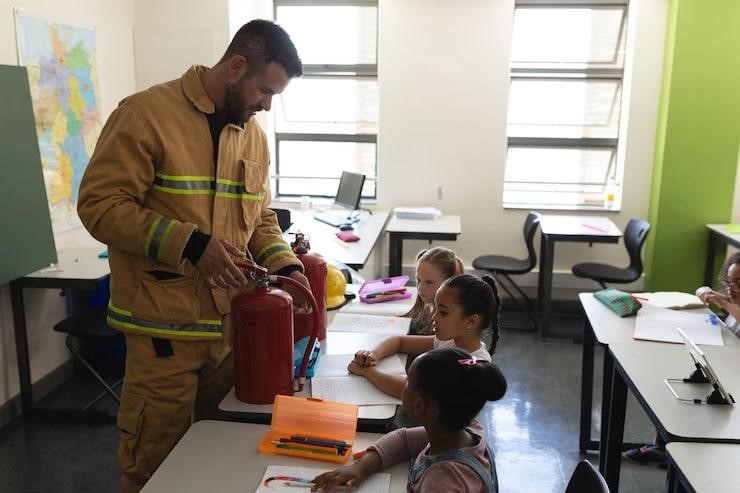
Schools should maintain simple decision logs and post-incident summaries to capture key actions, timelines, and communications during emergencies. These records provide a clear account of decisions made, support accountability, and ensure transparency for internal and external stakeholders. Proper storage with emergency plans keeps documentation secure while making it accessible to authorized leadership for review and analysis. Consistent recordkeeping also supports lessons learned, helping staff and administrators refine procedures and strengthen overall campus safety.
Clear ownership of documentation ensures that logs and summaries are completed promptly after incidents conclude. When staff understand their responsibilities for recordkeeping within ICS or emergency management protocols, leaders can focus on operational response while maintaining thorough documentation. Accurate post-incident records support continuous improvement, regulatory compliance, and future planning, ensuring schools can implement actionable insights, improve readiness, and maintain effective command and control during emergencies, ultimately protecting students, staff, and the broader school community.
Ensuring Consistent School Emergency Command Readiness
Command readiness requires ongoing attention to ensure schools can respond effectively during emergencies. Maintaining school ICS readiness includes regularly refreshing training, updating assignments after staffing changes, and reviewing performance following drills or real incidents. Readiness is not a one-time setup; it demands continuous evaluation to ensure all staff understand their roles and responsibilities within the emergency command structure. Without consistent attention, gaps in leadership, communication, or coordination can emerge, reducing the effectiveness of emergency response.
Regular reviews and practice exercises reinforce expectations and maintain confidence in leadership roles. By practicing ICS under varied scenarios, school leaders become familiar with authority, communication, and coordination responsibilities. Repetition builds comfort with making critical decisions under pressure, ensuring staff can respond confidently during actual incidents. Drills also help identify areas for improvement, supporting continuous refinement of procedures and emergency plans.
Clarity before an incident is the strongest foundation for safe, efficient response. Schools seeking support implementing or reviewing ICS frameworks are encouraged to contact us. Our structured guidance strengthens preparedness, maintains command readiness, and protects students, staff, and the broader school community throughout all phases of emergency planning and response.
Have Questions About What We Offer?
To learn more about our services, contact us today!
Have Questions About What We Offer?
Contact us to learn more about our services
Quick Links
Hours of Operation
Mon - Fri | 9:00 AM - 5:00 PM
Sat - Sun | Closed

©2026 American Priority Project | All Rights Reserved | Privacy Policy