Protecting Schools is Our Purpose!


Managing Special Needs During School Emergencies

FSDAVCFEBFEVSDDVFSD

FSDAVCFEBFEVSDDVFSD
FSDAVCFEBFEVSDDVFSD
Inclusive Planning
Why Standard Emergency Plans Fall Short
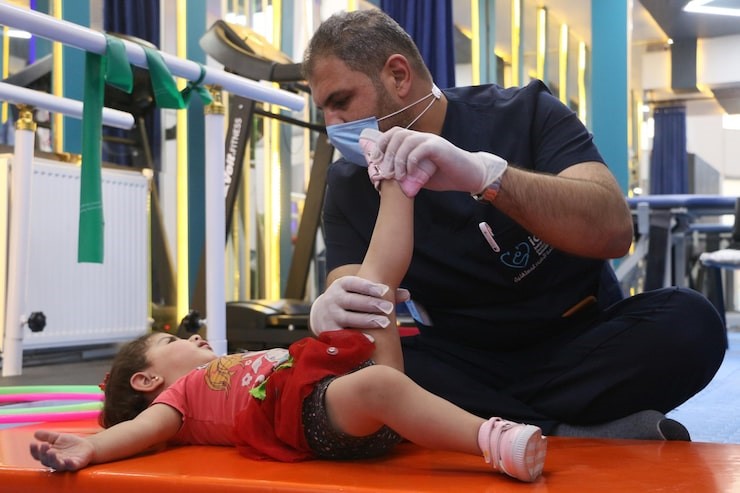
Traditional emergency plans often assume students can move quickly, follow instructions, and regulate behavior during stress. These assumptions create serious risks for students with mobility challenges, sensory sensitivities, cognitive disabilities, or chronic medical conditions. When plans overlook these realities, staff may be forced to improvise under pressure, increasing the chance of delays or errors.
Inclusive planning is not optional. Addressing school emergency planning special needs is a legal, ethical, and safety obligation. Schools that anticipate diverse student needs can design procedures that reduce confusion, support staff, and ensure predictable responses during emergencies.
Intentional planning reduces panic, prevents delays, and protects staff making rapid decisions. By prioritizing inclusive emergency planning, schools create safer outcomes for students, staff, and visitors. Preparing for special needs strengthens overall school safety, helping campuses maintain control, efficiency, and protection for everyone during critical incidents.
Identifying Students With Emergency Needs
Schools should identify students requiring emergency-specific accommodations through IEPs, 504 plans, health plans, and nurse documentation. These records are essential for determining IEP emergency accommodations, mobility assistance, medication access, communication supports, and supervision needs during evacuation, lockdown, or sheltering. Knowing which students require additional support ensures staff can implement measures efficiently, minimizing risk and promoting safety for students with diverse needs during emergencies.
Confidentiality must be balanced with accessibility. Emergency-related information should be securely protected while remaining available to staff and first responders who need it during an incident. Clear protocols for accessing sensitive information allow the right personnel to act quickly, ensuring student safety without unnecessary disclosure. Maintaining this balance supports compliance with privacy regulations while enabling rapid, coordinated response during critical events.
Parents, nurses, and special education staff play a critical role in clarifying medical needs and accommodations during school emergencies. Updated records and clearly defined procedures should connect directly to the emergency operations plan schools rely on. Integrating individualized student information into actionable protocols strengthens preparedness, ensures coordinated response, and helps protect students, staff, and the broader school community throughout every phase of emergency planning and execution.
Assigning Staff Roles and Responsibilities
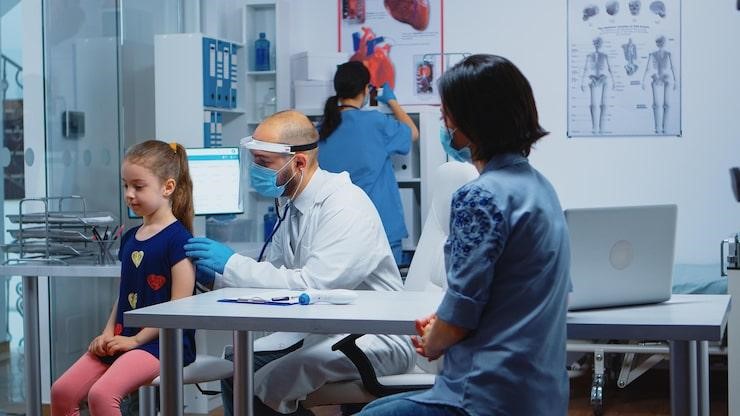
Staff roles must be assigned intentionally and documented clearly. Students who require assistance during evacuations, lockdowns, or sheltering need both primary and backup support. Without defined roles, critical support can fail during high-stress moments, risking student safety.
Coverage planning must account for absences. Substitutes, aides, and support staff should understand their responsibilities so assistance does not rely on a single individual. This ensures students with medical dependencies or mobility challenges receive consistent support during emergencies.
Assignments should be practiced regularly. Drills and tabletop exercises reveal gaps in coverage, reinforce expectations, and build staff confidence. Regular practice strengthens inclusive school safety planning across all schedules and scenarios. Combining clear roles, backup planning, and consistent drills ensures schools can maintain effective emergency response while protecting students and supporting staff during every phase of an incident.
3 Paragraphs: 135 Words
Lorem ipsum dolor sit amet, consectetur adipiscing elit. Sed non sapien sed magna laoreet tristique. Nulla facilisi. Morbi vel magna nec tortor hendrerit tincidunt. Pellentesque habitant morbi tristique senectus et netus et malesuada fames ac turpis egestas.
Ut dignissim, nunc ac malesuada varius, augue libero tempor metus, vel pretium enim nulla at velit. Aliquam erat volutpat. Cras id lorem eget justo fermentum pulvinar. Curabitur semper, eros sed iaculis vulputate, tortor augue fermentum eros, non efficitur sem orci ac tellus.
Suspendisse ac diam et est dignissim placerat. Integer et nunc ut sapien gravida scelerisque. Sed nec metus non lacus tempus congue. Proin sed nisl non risus luctus iaculis. Vivamus cursus justo ut magna laoreet porta.
Quick-reference sheets guide staff during emergencies without revealing unnecessary personal details. These tools outline clear steps for assistance, communication, and handoffs in plain language, helping staff act quickly while protecting student privacy. By simplifying critical information, quick-reference sheets reduce hesitation or confusion, ensuring students with diverse needs receive timely support.
Reviewing assignments during drills helps maintain reliable K-12 accessibility emergency planning. Practice exercises allow teams to identify challenges, clarify responsibilities, and adjust roles after staffing or enrollment changes. Regular review ensures that all staff, substitutes, and support personnel are prepared to assist students requiring accommodations, including mobility support, medical needs, or communication assistance. By combining quick-reference tools with ongoing drills, schools strengthen inclusive emergency planning, improve coordination, and provide consistent, predictable support for students across all schedules and scenarios, enhancing overall campus safety and readiness.
Accessing Medical Supplies and Medications
Emergency plans must address how medications and supplies are stored, accessed during lockdowns, and transported during evacuations. Ensuring timely access to medications is critical for students with chronic conditions or medical dependencies. Coordination between nurses, administrators, and responders guarantees continuity of care during emergencies. Clearly defined roles and communication protocols help staff act efficiently, supporting student health even under high-pressure situations.
Planning should include scenarios where students are separated from usual storage locations. Procedures for locating, retrieving, and transporting medications must be clear and practiced, preventing delays that could jeopardize student safety. Staff responsible for assisting students with medical needs should understand their responsibilities thoroughly. Documented processes ensure students receive consistent care regardless of location or incident type, strengthening overall emergency preparedness.
Schools must also account for power-dependent medical devices and extended sheltering. Backup power sources, portable charging solutions, and responder awareness reduce risk for students reliant on medical technology. Integrating these considerations into emergency plans ensures safe medication access, protects students’ health, and enhances school emergency readiness. Proactive planning, training, and coordination create safer outcomes and support staff in delivering critical care during every phase of an emergency.
Training Without Fear or Stigma
Training staff on inclusive response must be respectful and student-centered. Calm language, clear roles, and repeated practice build confidence without singling out students or creating fear. This approach ensures staff can support all students while maintaining dignity and trust.
Small-group training and scenario-based exercises help staff practice inclusive response techniques in realistic settings. These sessions reinforce proper procedures, allowing staff to internalize skills needed to assist students with diverse needs effectively. Practice in controlled scenarios prepares staff for actual emergencies and improves response efficiency.
Consistent training strengthens school safety compliance by ensuring staff understand expectations and can respond appropriately under pressure. Embedding inclusive response into routine training creates safer, more supportive school environments. Repetition, clear guidance, and a focus on respect ensure inclusive habits become standard, improving emergency preparedness for all students.
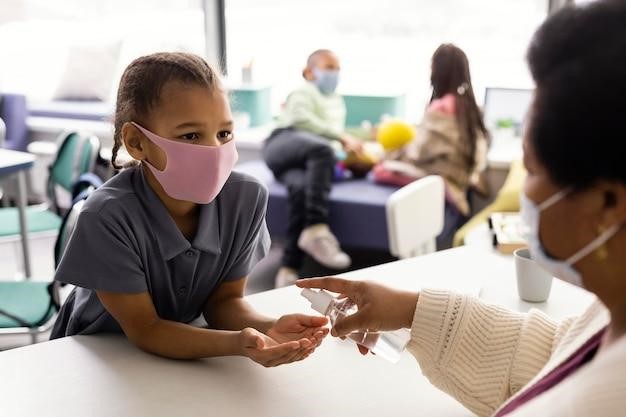
Inclusive planning should be integrated into existing drills rather than treated separately. Combining inclusive strategies with standard emergency exercises keeps preparedness realistic and unified. Staff practice procedures that accommodate students with mobility challenges, medical needs, or other special requirements, ensuring all participants experience coordinated response in practical scenarios. This approach ensures inclusive practices are embedded in routine school operations and that students receive consistent support during emergencies.
Post-drill debriefs help teams identify what worked well and what needs adjustment. Gaps in coverage, communication issues, or procedural challenges—especially regarding students with diverse needs—can be addressed and documented. Updates should be folded back into emergency plans, creating a cycle of continuous improvement. By embedding inclusive planning into drills and reviewing outcomes, schools strengthen emergency preparedness, enhance staff readiness, and provide safer, more predictable responses for all students across every scenario.
Maintaining and Sustaining Inclusive Emergency Preparedness
Inclusive emergency preparedness requires ongoing attention and intentional effort. Schools should review emergency plans annually, update documentation, and reassess accommodations whenever student needs or staffing changes occur. Regular updates ensure that all students, including those with mobility, medical, or communication needs, are supported effectively during evacuations, lockdowns, or sheltering scenarios. By maintaining current plans, schools can reduce confusion, prevent delays, and enhance overall emergency response.
Coordination with families is a critical component of inclusive planning. Engaging parents and guardians builds trust, ensures accurate information about student needs, and aligns expectations before emergencies occur. Clear communication about procedures, responsibilities, and available accommodations helps staff act confidently while protecting student privacy. Documentation updates further support continuity, accountability, and compliance, ensuring that emergency plans remain actionable and reliable across staff transitions and schedule changes.
Inclusive planning also strengthens the overall safety culture of a school. Administrators seeking guidance on advancing inclusive preparedness and maintaining compliance are encouraged to contact us. Our team provides practical, student-centered support, helping schools implement inclusive practices that protect every student and create safer, more predictable outcomes during all phases of emergency response.
Have Questions About What We Offer?
To learn more about our services, contact us today!
Have Questions About What We Offer?
Contact us to learn more about our services
Quick Links
Hours of Operation
Mon - Fri | 9:00 AM - 5:00 PM
Sat - Sun | Closed

©2026 American Priority Project | All Rights Reserved | Privacy Policy